


SellCarAdvisor is reader-supported, when you sign up through links on this post, we may receive compensation at no extra cost to you. How We Work.
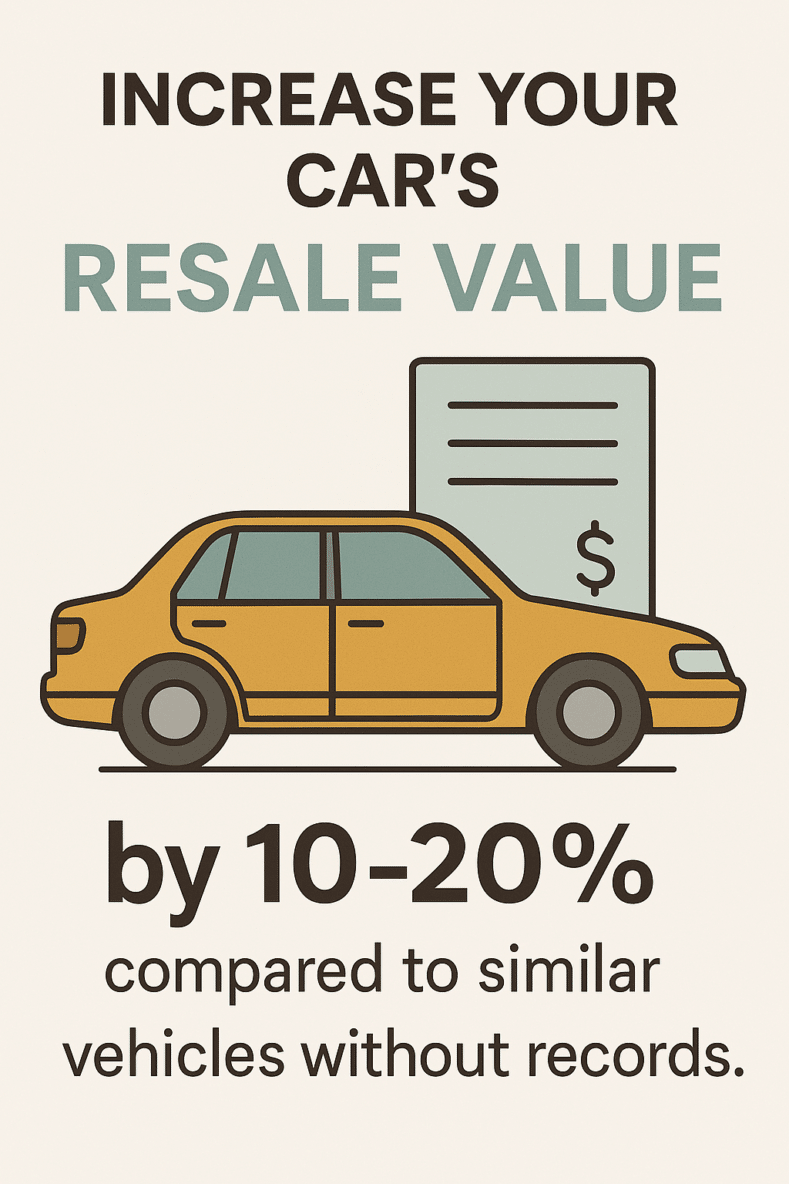
The bottom line: A well-documented maintenance history can boost your car’s value by 10 to 20% while making repairs easier and giving you peace of mind.
Even simple record-keeping delivers major benefits with minimal effort.
Key Takeaways
- Consistent maintenance records can increase your car’s resale value by approximately 10 to 20% compared to similar cars with no service history.
- The most important details to track are the date, mileage, work performed, parts used, and the service provider’s contact info.
- Luxury and performance car buyers weigh maintenance records more heavily than buyers of everyday vehicles.
- A simple folder of receipts, a spreadsheet, or a free app like CARFAX Car Care all work well. The method matters less than staying consistent.
- Good records also help mechanics diagnose problems faster, which can lower what you pay for repairs.
- Starting today adds real value to any car you currently own, no matter how old it is.
Compare Instant Offers





Why Bother With Car Maintenance Records?
That stack of repair receipts in your glove box might be worth more than you think. Keeping track of your car’s maintenance isn’t just about staying organized. It’s about protecting your investment.
When you maintain detailed service records, you’re creating proof that your vehicle has been properly cared for. This documentation builds trust with potential buyers and can increase your car’s resale value by approximately 10 to 20% compared to similar vehicles without records.
Beyond the financial benefits, good record-keeping makes your ownership experience smoother. You’ll know exactly when your car needs service, helping you avoid missing critical maintenance intervals that keep your vehicle running reliably.
What Information Should You Track in Maintenance Records?
Every maintenance record should include these key details:
| Information | Why It Matters |
|---|---|
| Date of service | Tracks timeline and helps follow service intervals |
| Service description | Documents exactly what work was performed |
| Mileage | Shows service frequency and helps predict future needs |
| Cost | Helps with budgeting and tracking total ownership costs |
| Parts replaced | Important for warranty claims and future repairs |
| Service provider | Contact info for follow-up questions |
Don’t worry about making your records perfect. Even basic information is valuable when maintained consistently over time.
How Car Maintenance Records Boost Your Car’s Value
When it’s time to sell, your maintenance records become a powerful selling tool. Buyers are naturally cautious about used cars. They worry about hidden problems and future repair costs.
A complete service history addresses these concerns directly. It shows that the car has received regular care, giving buyers confidence that they’re making a good investment.
This confidence often translates into willingness to pay a higher price. The impact varies depending on your vehicle type.
Luxury Cars
Service records are particularly valuable for high-end vehicles from brands like BMW, Mercedes, or Lexus. Luxury car buyers expect careful maintenance and are willing to pay more for vehicles with documented dealer service.
“Service records from authorized dealerships can increase a luxury vehicle’s resale value by 15 to 20%.” Notes Ed Kim, President and Chief Analyst at AutoPacific.
These records confirm that specialized technicians using genuine parts have maintained the car’s sophisticated systems.

High-Performance Vehicles
Sports car buyers look at maintenance records even more carefully. They want to know if the car has received regular oil changes with proper high-performance fluids, timely brake system maintenance, and specialized care for performance components.
For these vehicles, detailed records can be the difference between a quick sale at asking price and months of low offers.

Everyday Vehicles
Even for common family cars, maintenance records matter. Toyota and Honda buyers choose these brands for reliability, and complete records confirm that regular care aligns with their expectations.
This can justify a higher asking price compared to a similar car with no service history.

Practical Ways to Keep Car Maintenance Records
You don’t need a complicated system to track maintenance. Here are three simple approaches that work well.
The Paper Method
Many car owners prefer the simplicity of physical records. A basic maintenance notebook works well. Just keep it in your glove compartment and update it after each service.
Example of a paper maintenance log entry:
Date: June 15, 2023
Mileage: 36,542
Service: Oil change and tire rotation
Parts: Mobil 1 synthetic oil (5W-30), Wix filter #57356
Cost: $89.75
Shop: Quick Lube Plus (555-123-4567)
Notes: Technician mentioned slight oil seepage at valve cover – monitor
Next service: 41,500 miles or September 15, 2023
Another good option is keeping a dedicated folder or binder at home where you store all service receipts in order by date. This takes almost no effort but builds a valuable history over time.
Digital Solutions
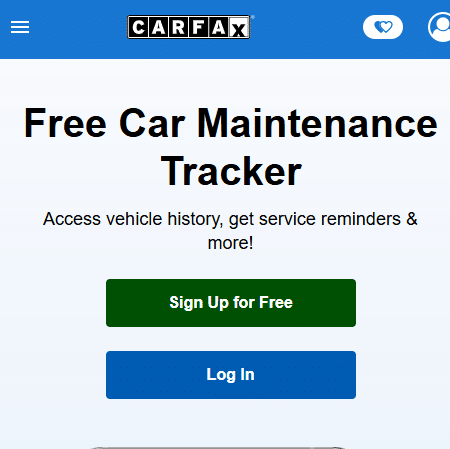
Today’s smartphone apps make maintenance tracking easier than ever. Popular options include CARFAX Car Care and Drivvo.
CARFAX Car Care is a free app that lets you scan repair receipts, set service reminders, and track maintenance for multiple vehicles. It’s a good choice because CARFAX is a trusted name when selling your car.
Drivvo has a clean interface and tracks not just maintenance but also fuel economy, giving you a full picture of your vehicle’s performance and costs.
Choose an app that fits your needs. Some people prefer simplicity, while others want detailed analytics.

Manufacturer Resources
Many automakers now offer their own digital service trackers. The Toyota app lets owners view dealer service history and manually add records for maintenance done elsewhere.

Ford’s FordPass app similarly combines dealer service records with owner-added maintenance. It’s easy to maintain a complete history even if you use independent mechanics or do some work yourself.

A Real-World Example: Mark’s Maintenance Journey
Mark bought a used Honda Accord in April 2021 and immediately created a simple spreadsheet to track its maintenance. For each service, he recorded the date, mileage, work performed, cost, and where it was done.
He also kept all receipts in a folder. Here’s what Mark’s maintenance spreadsheet looked like:
| Date | Mileage | Service Description | Parts | Cost | Service Provider |
|---|---|---|---|---|---|
| 4/15/2021 | 42,456 | Post-purchase inspection, oil change | Mobil 1 5W-20, Fram oil filter | $89.99 | Honda of Cityville |
| 7/28/2021 | 48,934 | Oil change, tire rotation | Mobil 1 5W-20, Honda air filter | $78.75 | Honda of Cityville |
| 11/12/2021 | 55,677 | Oil change, brake inspection | Mobil 1 5W-20, Fram oil filter | $69.99 | Quick Lube Plus |
| 2/18/2022 | 62,541 | Oil change, transmission fluid | Mobil 1 5W-20, Honda trans fluid | $189.50 | Honda of Cityville |
| 5/15/2022 | 68,892 | 60K service, new tires | Michelin Primacy (4), filters, fluids | $875.25 | Honda of Cityville |
| 8/24/2022 | 76,123 | Oil change | Mobil 1 5W-20, Fram oil filter | $59.99 | Quick Lube Plus |
| 11/18/2022 | 82,780 | Oil change, brake pads (front) | Mobil 1 5W-20, Honda OEM pads | $295.45 | Honda of Cityville |
| 2/10/2023 | 89,340 | Oil change, tire rotation | Mobil 1 5W-20, Fram oil filter | $72.50 | Quick Lube Plus |
| 5/22/2023 | 95,877 | Oil change, engine air filter | Mobil 1 5W-20, K&N filter | $95.75 | Honda of Cityville |
| 8/8/2023 | 102,335 | Oil change, new battery | Mobil 1 5W-20, Interstate battery | $189.99 | Quick Lube Plus |
| 11/17/2023 | 108,912 | Oil change, spark plugs | Mobil 1 5W-20, NGK plugs (4) | $245.50 | Honda of Cityville |
| 2/25/2024 | 115,430 | Oil change, serpentine belt | Mobil 1 5W-20, Continental belt | $168.75 | Honda of Cityville |
Last year, Mark decided to sell the Accord. He included photos of his maintenance spreadsheet in his ad and mentioned his complete service records. During showings, he brought out his folder of receipts organized by date.
“Potential buyers were impressed with my record-keeping. Several mentioned that other cars they looked at had no service history at all. I received three offers at my asking price within a week.”
Mark’s experience isn’t unusual. Complete maintenance records created an advantage for his vehicle, leading to a faster sale at his target price.

How Car Maintenance Records Help With Repairs
When your car needs work, good maintenance records make the repair process smoother. They help mechanics see what parts have been replaced recently, identify patterns that might point to underlying issues, and understand when critical items like timing belts or transmission fluid were last serviced.
This often leads to faster diagnosis and more accurate repairs. If you want to know what a repair should cost before heading to a shop, RepairPal lets you check fair estimates by zip code so you’re not guessing.
Compare Instant Offers
Compare Instant Offers
Car Maintenance Records FAQ
Do online car buyers check maintenance records?
Online instant offer buyers like Carvana and CarMax base their offers primarily on the car’s year, make, model, mileage, and condition. Your paper records don’t factor into the initial quote.
However, having records ready for the inspection step can help support your asking price if there’s any back-and-forth on condition.
Private buyers tend to value records much more. If you’re selling to a private buyer, your maintenance history is a real selling point.
What if I’m missing records for several years?
Partial records are still better than none. Start documenting everything from today forward and be upfront with buyers about when your records begin.
Some service shops keep records on file for years. It’s worth calling your mechanic or the dealership to ask if they can print out past service history for you.
Does a CARFAX report replace maintenance records?
No. A CARFAX report shows accident history, title events, and some dealer-reported services. It won’t capture oil changes, tire rotations, or work done at independent shops.
Your own records fill in those gaps and give buyers a much more complete picture.
How long should I keep car maintenance records?
Keep records for as long as you own the car, then pass them along to the buyer at the time of sale. The full history adds the most value, so don’t discard older receipts just because they feel outdated.
After the sale, hold onto your own copies for at least one year in case any warranty or dispute questions come up.
Learn more: How to Sell a Car Privately
Should You Keep Car Maintenance Records?
Keeping service records is one of the simplest yet most valuable habits for any car owner. The small effort of documenting maintenance pays off through increased resale value (approximately 10 to 20% on average), more efficient repairs, better maintenance timing, proof for warranty claims, and peace of mind knowing your car’s history.
Whether you choose a simple notebook, a digital app, or your manufacturer’s tracking system, the key is consistency. Start documenting your car’s maintenance today.
When you’re ready to sell, you can compare offers from multiple services with Sell Car Advisor to make sure you get the most out of the car you’ve maintained so well.

Article Update History
The 10 to 20% resale value range was verified against current Kelley Blue Book guidance. App recommendations (CARFAX Car Care, Drivvo) and manufacturer tools (Toyota app, FordPass) were confirmed as active and available. Repair cost estimates were cross-referenced with RepairPal's current data.
Originally posted and shared with our readers.