

SellCarAdvisor is reader-supported, when you sign up through links on this post, we may receive compensation at no extra cost to you. How We Work.
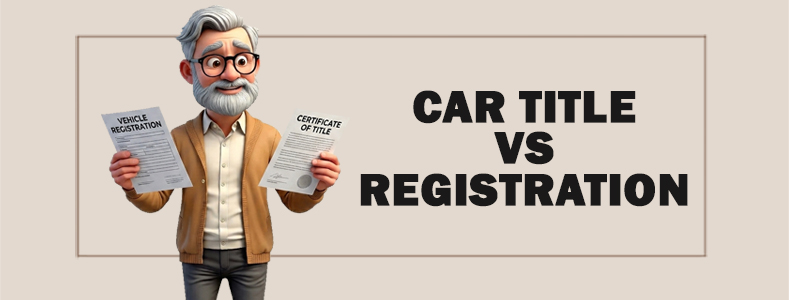
The bottom line: Your car title is a one-time document proving vehicle ownership that stays in a safe place at home, while registration is a renewable document proving you can legally drive that must be kept in your vehicle.
A title transfers when you sell; registration expires annually and needs renewal. You need the title to sell your car, but registration to drive it day-to-day.
When selling, you must transfer the title and ensure the buyer registers in their name to remove your liability.
Key Takeaways
- A title proves you own the vehicle; registration only proves you can drive it legally on public roads.
- You need the title to sell your car. Registration alone can’t transfer ownership to a new buyer.
- Registration expires and requires annual renewal; a title doesn’t expire but does transfer to the new owner when you sell.
- If a lender holds your title because of an active loan, the loan must be resolved before you can sell.
- A salvage title reduces your buyer pool and lowers the offers you’ll get compared to a clean title.
- Filing a release of liability with your DMV after the sale protects you from tickets or accidents tied to the vehicle.
Compare Instant Offers





What is a Car Title?
A car title is the legal document that establishes who owns a vehicle. Think of it like a deed to a home. It shows who has the right to sell or transfer the vehicle.
Your car title typically includes:
- Vehicle identification number (VIN)
- Make, model, and year of the vehicle
- Your name and address as the owner
- Odometer reading at time of purchase
- Any lien information if you’re financing
There are several types of titles you might encounter:
| Title Type | What It Means |
|---|---|
| Clean Title | Vehicle has no significant damage history |
| Salvage Title | Vehicle was declared a total loss by insurance |
| Rebuilt Title | Previously salvaged vehicle that’s been repaired |
| Junk Title | Vehicle only suitable for parts or scrap |
If you’ve financed your vehicle, the lender typically holds the title until you’ve paid off the loan. Once paid, they’ll transfer the title to you. If you own your car outright, keep the title in a secure location at home, not in the vehicle itself.
If your title shows a salvage brand, an insurance company declared the car a total loss at some point. A salvage title will lower your car’s value and reduce the number of buyers willing to make an offer.

What is Vehicle Registration?
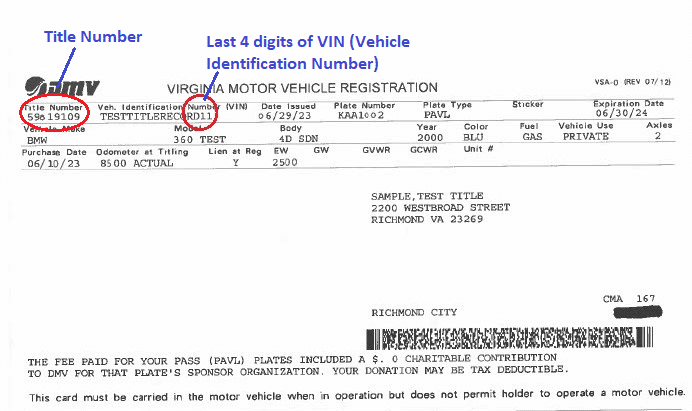
Vehicle registration is proof that you’ve met the legal requirements to operate your vehicle on public roads. It shows you’ve paid the necessary taxes and fees to your state’s DMV or equivalent agency.
Your registration consists of two parts:
- A registration certificate or card that you must keep in your vehicle
- A decal or sticker placed on your license plate or windshield
The registration document contains:
- Your name and address
- Vehicle make, model, and year
- Vehicle identification number (VIN)
- License plate number
- Registration expiration date
Unlike your title, your registration must be renewed regularly, typically annually, though some states offer multi-year options. The renewal usually requires proof of insurance and sometimes passing emissions and safety inspections.
Key Differences Between Car Title vs Registration
These two documents serve completely different purposes, even though many sellers confuse them. One is about owning the car; the other is about driving it.
| Feature | Car Title | Vehicle Registration |
|---|---|---|
| Purpose | Proves ownership | Authorizes operation on public roads |
| Renewal | One-time document | Regular renewal required (usually annual) |
| Where to keep | Safe storage at home | Must be carried in the vehicle |
| When needed | When selling or transferring vehicle | Whenever driving; during traffic stops |
| Cost | One-time fee (when buying/transferring) | Recurring fees (annual or multi-year) |
| Who holds it | Owner (or lienholder if financed) | Driver/operator of the vehicle |
The simplest way to remember: your title is about owning the vehicle, while your registration is about driving it legally.
When You Need Each Document
Situations Requiring Your Title
- Selling your vehicle
- Transferring ownership
- Applying for a loan using your car as collateral
- Filing an insurance claim for a totaled vehicle
- Moving to a new state (to register in a new state)
Situations Requiring Your Registration
- Driving on public roads (must be in vehicle)
- During traffic stops and police interactions
- Parking in permitted areas that require proof of registration
- Annual inspections or emissions testing
- When renewing your registration
When selling a car, you’ll need to transfer the title to the buyer and ensure they register the vehicle in their name. That’s what completes the sale and removes your liability.
If you’re not sure which buyer will give you the best deal, you can compare offers from multiple services with Sell Car Advisor in one place before you commit to anything.
Compare Instant Offers
Compare Instant Offers
FAQs About Car Title vs Registration
Can I drive a car with just a title and no registration?
No. A title only proves ownership. You need valid registration to legally operate the vehicle on public roads.
Do I need both the title and registration when selling my car?
You need the title to transfer ownership to the buyer. They’ll need to register the vehicle in their name to complete the sale properly.
Registration alone doesn’t transfer anything. Without the title, the sale can’t be completed legally.
What’s my liability if I sell my car but the buyer doesn’t register it?
If the buyer doesn’t register the vehicle in their name, you could be held responsible for parking tickets, toll violations, or accidents involving the vehicle.
Always complete a release of liability form with your DMV right after the sale. That’s what legally separates you from the car.
Learn more: What is a Car Release of Liability Form
If I have the registration but not the title, can I sell the car?
No. The registration only proves you can legally drive the vehicle. You need the title to prove ownership and legally transfer the vehicle to someone else.
If you’ve lost your title, you can apply for a duplicate through your state’s DMV before selling.
Learn more: How to Sell a Car Without a Title
Can I sell a car if the title has a lien on it?
You can sell the car, but the lien has to be cleared first. If you still owe money on the vehicle, the lender holds the title and must release it before ownership can transfer.
Some buyers, including online car-buying services, can handle the payoff directly as part of the sale. The lender gets paid, you get whatever is left over.
Learn more: How to Sell a Financed Car
What happens to my registration when I sell my car?
Your registration doesn’t transfer to the buyer. It stays tied to you and your license plates. In most states, you keep the plates when you sell and return them or transfer them to your next vehicle.
The buyer will need to register the vehicle in their own name and get new plates. Check your state’s DMV rules to confirm the plate transfer process in your area.

Article Update History
Title types, registration renewal requirements, and lender title-holding rules confirmed current. Added guidance on selling with a lien on the title and what happens to your registration plates after the sale.
Originally posted and shared with our readers.